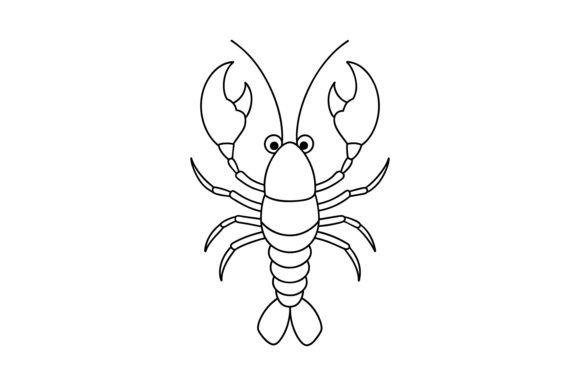
Why Lobster Graphics Work for Creative Marketplaces
When I’m prepping a new product drop for my Etsy shop or a seasonal bundle for Creative Fabrica, my first stop is always to vet the design asset itself. Today, I’m looking at a Lobster Line Art Illustration. The immediate impression is a classic, detailed line drawing, likely with a touch of nautical charm. This isn’t a cartoony clipart; it feels more like an elegant, decorative illustration with commercial appeal. The mood is sophisticated yet approachable, leaning into rustic, coastal, or even foodie niches. It has a visual personality that could attract buyers looking for something beyond generic graphics—think small business owners wanting premium branding or crafters seeking a distinctive element for handmade products.
Testing the Lobster Illustration Across Real Products
Before I even think about publishing a listing, I run a practical test. I imagine this Lobster Line Art Illustration in several key product formats I sell. First, as an SVG design for Cricut projects: sticker sheets, intricate tote bag prints, or detailed mug designs. The quality of the lines is crucial here; they need to be clean and consistent for cutting machines. Next, as a PNG with transparency for sublimation designs—tumbler wraps or t-shirt graphics—where the artwork sits on colorful backgrounds. I also drop it into a mockup for printable wall art or a nursery print to see if it holds up at larger sizes. This initial testing phase tells me if the asset is versatile or niche.
For my digital download shop, I consider pairing it with other assets. Could this lobster illustration anchor a coastal-themed bundle with digital paper packs and social media templates? Would it work as a focal point in a Canva template for bloggers, or as a decorative element in scrapbooking kits? The description mentions use for coloring books and children’s books, which suggests a clean, scalable line quality, making it a candidate for those product types as well.
Where This Graphic Design Asset Excels
In my experience, this kind of illustration works strongest in specific commercial contexts. For product presentation, it can elevate listing images. Used in a mockup preview on a clean mug or art print, it adds perceived value and supports visual storytelling. Its decorative nature makes it ideal for themed bundles—a summer seafood collection or a maritime brand identity package. For large product previews, like poster or wall decor listings, the detail should shine, improving thumbnail appeal and click-through potential.
It’s also a natural fit for merchandise graphics where a single, bold graphic is needed: a logo-style print on a hat, a centered design on a greeting card, or a standalone image on packaging design. When paired with the right font—perhaps a crisp sans serif for a modern look or a playful script for a handmade business vibe—it can create a cohesive and professional-looking product collection.
Practical Notes and Potential Pitfalls
Every asset has areas where it should be used carefully. With line art, tiny details can be a risk. For tiny sticker designs or products requiring clean cutting lines, I’d inspect the SVG file closely to ensure no overly complex, hairline sections exist that a Cricut might struggle with. On dark backgrounds or in low-resolution print products, the contrast might weaken if the lines are too fine. I’d test it on both white and dark mockups.
In crowded thumbnails or text-heavy templates, a detailed illustration like this lobster could lose visual hierarchy. It’s best used as a primary graphic, not a background filler. Before selling any finished product, my checklist is strict: verify PNG transparency, confirm file resolution for print-on-demand, and, most importantly, confirm the commercial licensing terms. Then, I organize all derivative files clearly for my customers.
Integrating the Asset into a Selling Strategy
So, how does this Lobster Line Art Illustration support a digital selling business? It provides a ready-made, professional graphic design asset that saves hours of creation time. By testing it across formats—from SVG products for crafters to PNG designs for Canva template sellers—I can quickly build a mini-collection. For example, one lobster illustration could become a t-shirt graphic, a set of planner stickers, and a social media promo image, all maintaining brand consistency.
Its appeal to niches like coastal, culinary, or rustic décor means it can attract a specific audience, which is often more valuable than a generic one. When presented well—in clean mockups, as part of a cohesive bundle—it boosts customer trust and the overall perceived value of my shop. Ultimately, the goal is to turn a single digital product like this into multiple sellable items across creative marketplaces, from Etsy to Shopify to print-on-demand platforms. This lobster illustration, if its quality checks out, has the potential to do just that.